At the International Journalism Festival in Perugia this week, two ideas kept surfacing across different sessions and registers. Both were about trust. Both were about who gets to carry credible information in an era when institutions no longer automatically confer it.
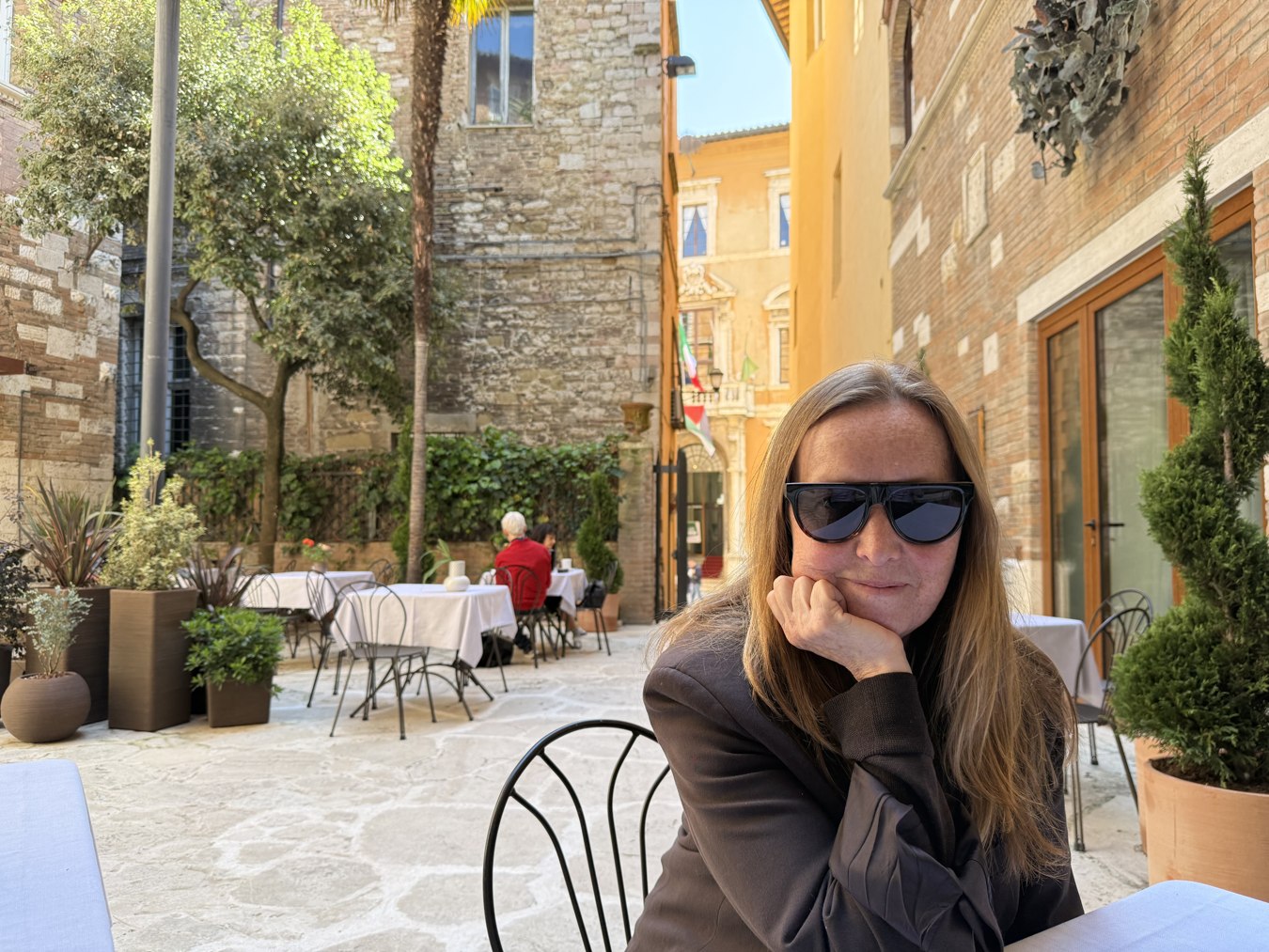
The first was the trusted messenger. In a climate of institutional distrust, credibility travels with people, not organisations. To reach a community, you need someone whom the community already trusts.
The second came from the Independent Journalism Atlas, launched earlier this year — a database mapping independent journalism creators across platforms, niches, and geographies. Their defining criterion is not format or follower count. It is whether someone functions as a trusted messenger to a loyal community: someone with genuine expertise in a specific area, building direct relationships with an audience that has actively chosen them.
Both concepts point toward the same thing—neither quite names it.
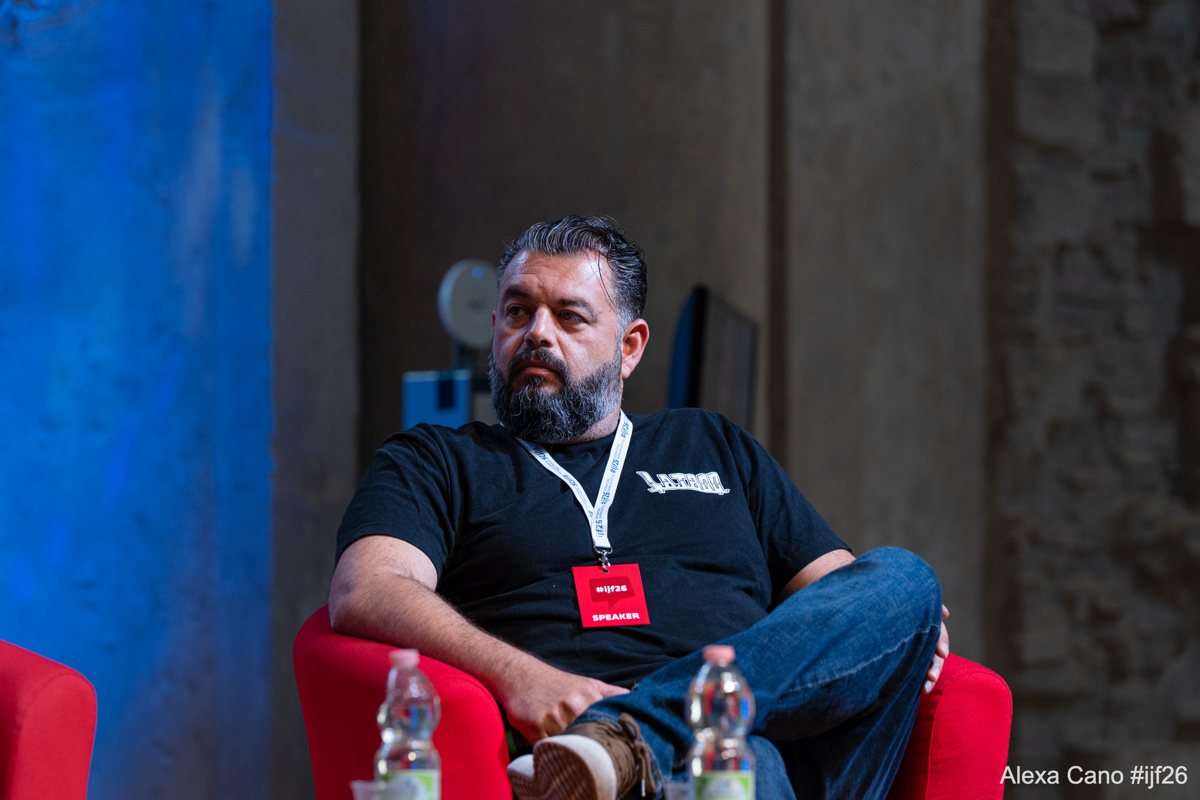
Memo Torres — Director of Engagement at LA Taco — described at IJF26 how a blog about where to eat tacos became one of Los Angeles's most essential news sources through years of street-level reporting. When ICE swept through the city in the summer of 2025, reporters from larger outlets were refused access — at protest sites, at detention centres, by families who had learned not to trust institutional media. LA Taco was let in. Torres had spent years as a landscaper working alongside the same communities now being targeted. The people in the stories were not sources. They were neighbours.
Proximity as the source
The proximate messenger is not simply someone a community trusts. It is someone from the community. Whose authority comes not from credentials or institutional affiliation, but from shared experience, shared geography, shared diagnosis, shared history.
The distinction matters. A trusted messenger can be an outsider who has earned credibility over time — a journalist who has covered a beat for twenty years, a doctor who has built a reputation in a neighbourhood. Their trust is relational, accumulated, and in principle transferable.
A proximate messenger’s credibility is structural. It comes from being inside the situation being described. A parent of a child with a rare diagnosis speaking to other families with similar diagnoses. A migrant worker documenting conditions in a language the mainstream press does not cover—a whistleblower whose authority derives entirely from the fact that they were there.
You cannot fake proximity. You can fake expertise.
Where it is already happening
In public health, the concept has been practised for decades under a different name. Community health workers, peer counsellors, patient advocates — these roles are built on the recognition that some knowledge only travels through people who share the condition, the neighbourhood, the experience.
In journalism, it is beginning to be named. The creator wave, the rise of independent newsletters, the growth of community correspondents — these are partly market phenomena, but beneath the economics is something more fundamental: audiences turning toward people who know from the inside.
In the spaces between — patient communities, diaspora networks, local activist circles, rare disease forums — it has been happening for years without anyone taking responsibility. People with real authority within their communities are invisible to the institutions that could support or learn from them.
The problem with democratisation
Proximity does not guarantee responsibility. The same structural credibility that makes a proximate messenger effective within a patient community makes a conspiracy theorist effective within a grief community. The same tools that help a whistleblower distribute their account help a troll campaign coordinate an attack.
Proximate messengers are not inherently trustworthy. They are structurally positioned to be believed — which is not the same thing.
This is why the concept needs a name. Not to celebrate it uncritically, but to think clearly about what it actually requires to support. What would it mean to build standards for proximate messengers? What frameworks already exist in community health work that journalism could learn from? What does protection look like for someone whose credibility comes from proximity rather than institutional affiliation?
These are not questions the festival answered. There are questions the festival did not quite reach.
Why it matters that we name it
Concepts do work. When public health recognised the community health worker, it became possible to train, fund, protect, and hold them to standards. When journalism named the fact-checker, it became possible to build organisations around the practice.
The proximate messenger is already out there, already doing the work, already carrying authority that institutions lack and cannot replicate. The question is whether anyone will build the infrastructure around them before the window closes — or whether we will spend the transition period debating what AI means for newsrooms while the actual shift happens elsewhere.
Kari Andresen writes The Creative Nexus, a newsletter on AI, communication, and what it means for the rest of us. She attended IJF26 in Perugia.